Solar Panels for Schools
An independent guide to solar panels for schools across the UK — what a school array really costs, what funding is actually open in 2026, and how planning, the grid connection and safeguarding work. When you are ready, you can ask us a question and we reply by email.
- DESNZ cost data
- Funding checked October 2026
- KCSIE 2026 checks
- Not an installer

BEFORE YOU SIGN, CHECK ANY INSTALLER AGAINST THESE SCHEMES






A school roof over-generates exactly when the building sleeps
Electricity is now one of the largest non-staff costs in a school budget. The DESNZ average non-domestic price was 24.14p per kWh in the first quarter of 2026, including Climate Change Levy, so a secondary school using 500,000 kWh a year is paying in the region of £120,000 for it. Solar PV is one of the few capital measures that can pay for itself inside a normal estates-strategy horizon.
But a school's demand curve is unlike any other building, and this is what any design has to get right. Occupancy is term-time, weekdays, roughly 8am–4pm — a good match for daytime solar while school is open. The problem is that generation peaks in July and August, during the summer holidays, when the building is empty, and again at weekends. Size a system off the roof area alone and a non-boarding school will self-consume only 35–55% of what it generates.
The fix is to size from at least 12 months of your half-hourly meter data including a holiday period, then close the gap with a small battery (50–150 kWh) that shifts holiday and weekend generation into term-time use, and the Smart Export Guarantee to earn something on the rest. Boarding and special schools, with year-round or 24/7 loads, buck the trend and get the strongest economics of all.
- Sized from your half-hourly (HH) meter data, including a holiday period — never off roof area
- Battery storage shifts summer-holiday generation into term-time use
- Paid from capital, simple payback is typically 6–8 years on our cost-guide assumptions
- Boarding and special schools with year-round load get the strongest self-consumption
Why solar now sits in every estates strategy
What funding is actually open to schools in 2026
The most common question is “can we actually afford this?”, and most of what has been written about the answer is out of date. In England there is no open grant or loan that an individual school can apply to for solar panels: the Public Sector Decarbonisation Scheme closed to new applications in November 2024 and the government has decided to commit no further investment for it beyond projects already awarded, and there is no Salix loan for English schools. Great British Energy has funded panels on 245 schools and colleges, but government selects them.
That leaves three routes that work: the school’s or trust’s own capital, which gives the best long-run return; a Condition Improvement Fund bid where the solar rides on a genuine roof or heating project, for stand-alone academies, smaller trusts, sixth-form colleges and qualifying voluntary aided schools; or a power purchase agreement, which needs no capital but means buying the electricity — and from 15 July 2026 must use the DfE’s PPA and land-lease templates. In Scotland and Wales, public-sector loans are still open through the devolved governments.
- No Salix loan for English schools — Salix lists grant schemes only for England
- PSDS — closed November 2024; no further investment beyond awarded projects
- Condition Improvement Fund — condition work first; solar rides on a roof or heating project
- Smart Export Guarantee — supplier-set rate on summer-holiday export, above zero by law
From first call to commissioning in 6–9 months
A clear, governor-friendly process — sized from your data, scheduled around your calendar.
- 01First step
Desk feasibility
An installer you engage pulls 12 months of half-hourly meter data (including a holiday period) and your roof drawings, models the system, and shares an indicative proposal with generation, savings and payback.
- 02Week 2–6
Survey & funding case
The installer’s structural and electrical engineers survey the roof, and you get the savings case your governors or trust board need — and, where the school is eligible and the roof needs work anyway, the basis for a CIF bid.
- 03Month 2–6
Permits & DNO
Most rooftop school solar is permitted development under Class J, but the G99 grid application, any prior approval for an array over 50 kW and any Listed Building Consent should all start straight after the survey.
- 04Month 6–9
Install in the holidays
Properly checked crews complete the disruptive works during school holidays. Final commissioning is a 1–2 day event, often an INSET day. Ask for the live-generation display to be handed over at the same time.
Every type of school, explained
A single-storey primary, a multi-building secondary, a 20-school MAT and a boarding independent all size, fund and schedule differently. Find yours.
 Most common
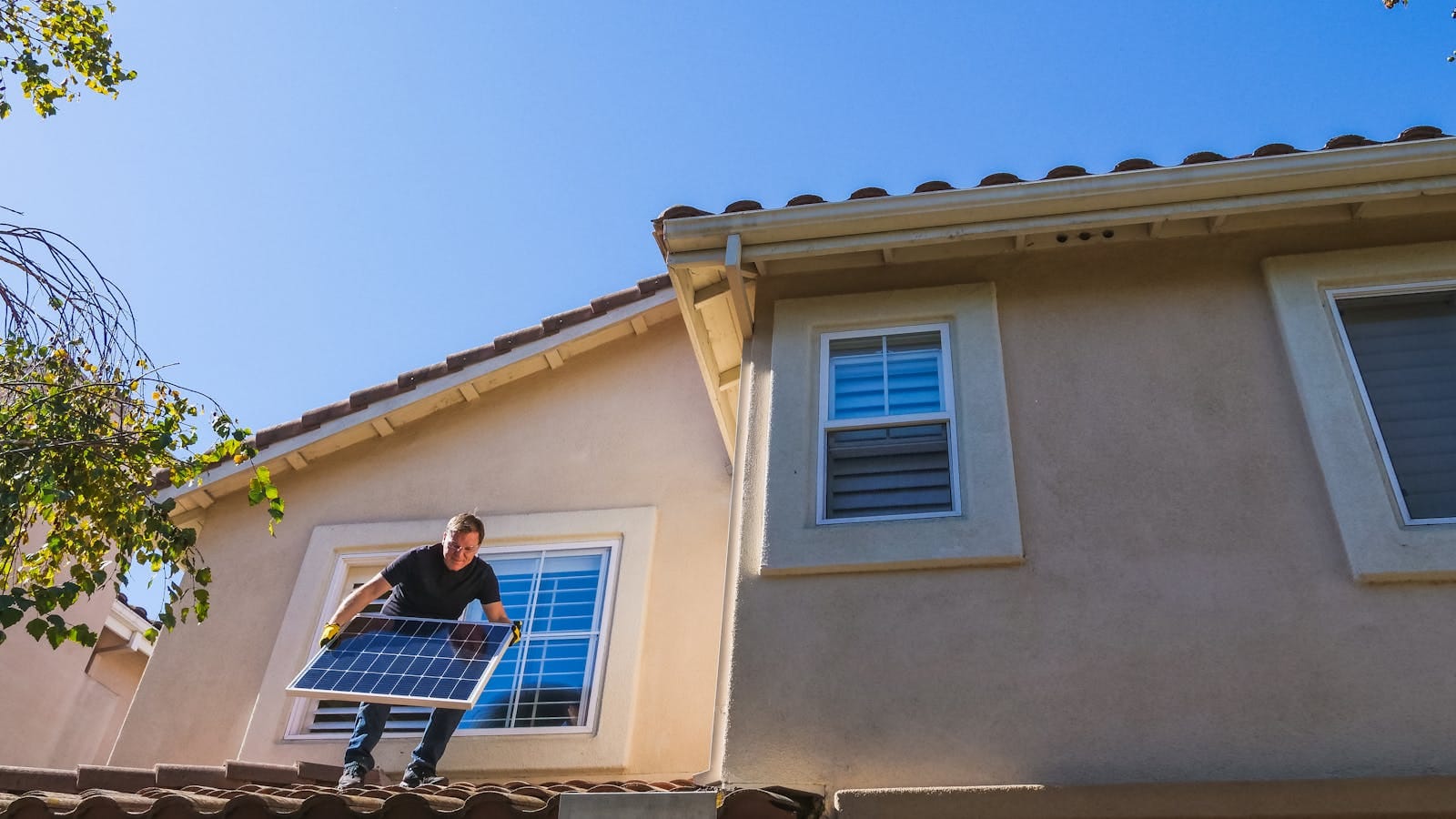
 Primary Schools
Typically 30–80 kW. Term-time load, so a battery often matters.
Secondary Schools
Typically 100–300 kW across several buildings and holiday windows.
Multi-Academy Trusts (MATs)
One feasibility study and one business case across the estate.
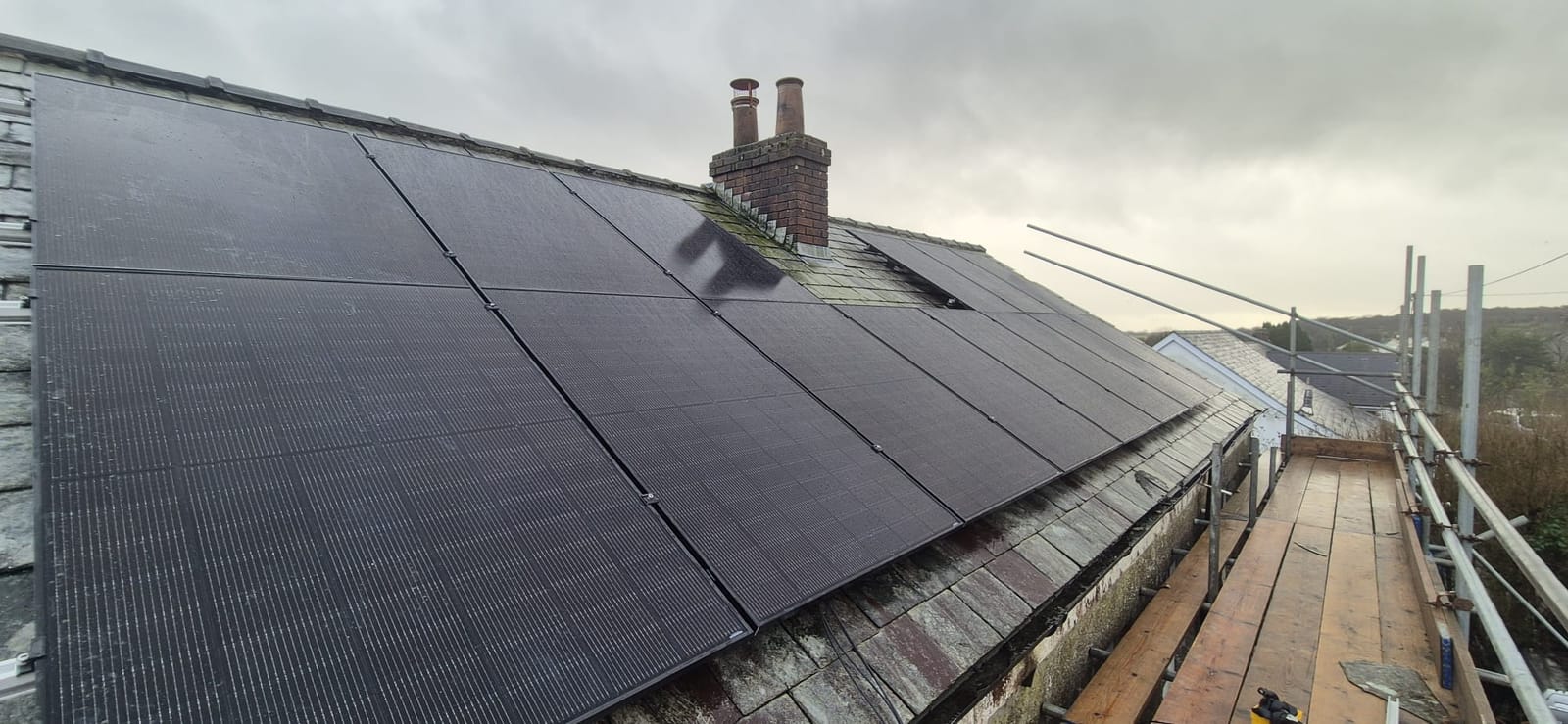
Sixth Form Colleges
Typically 150–400 kW, with longer opening hours.
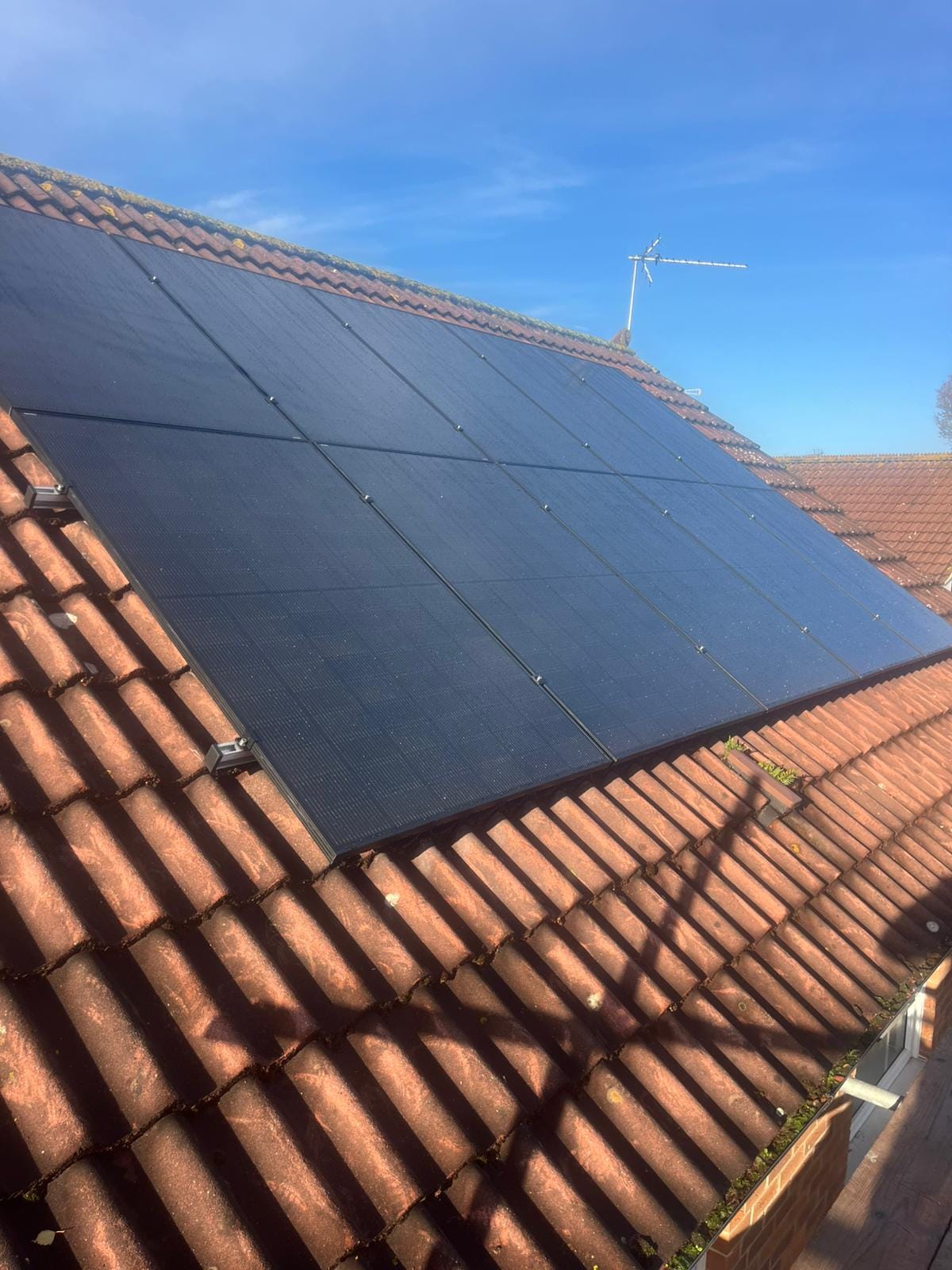
Special Schools
Typically 40–150 kW, with a high year-round baseload.
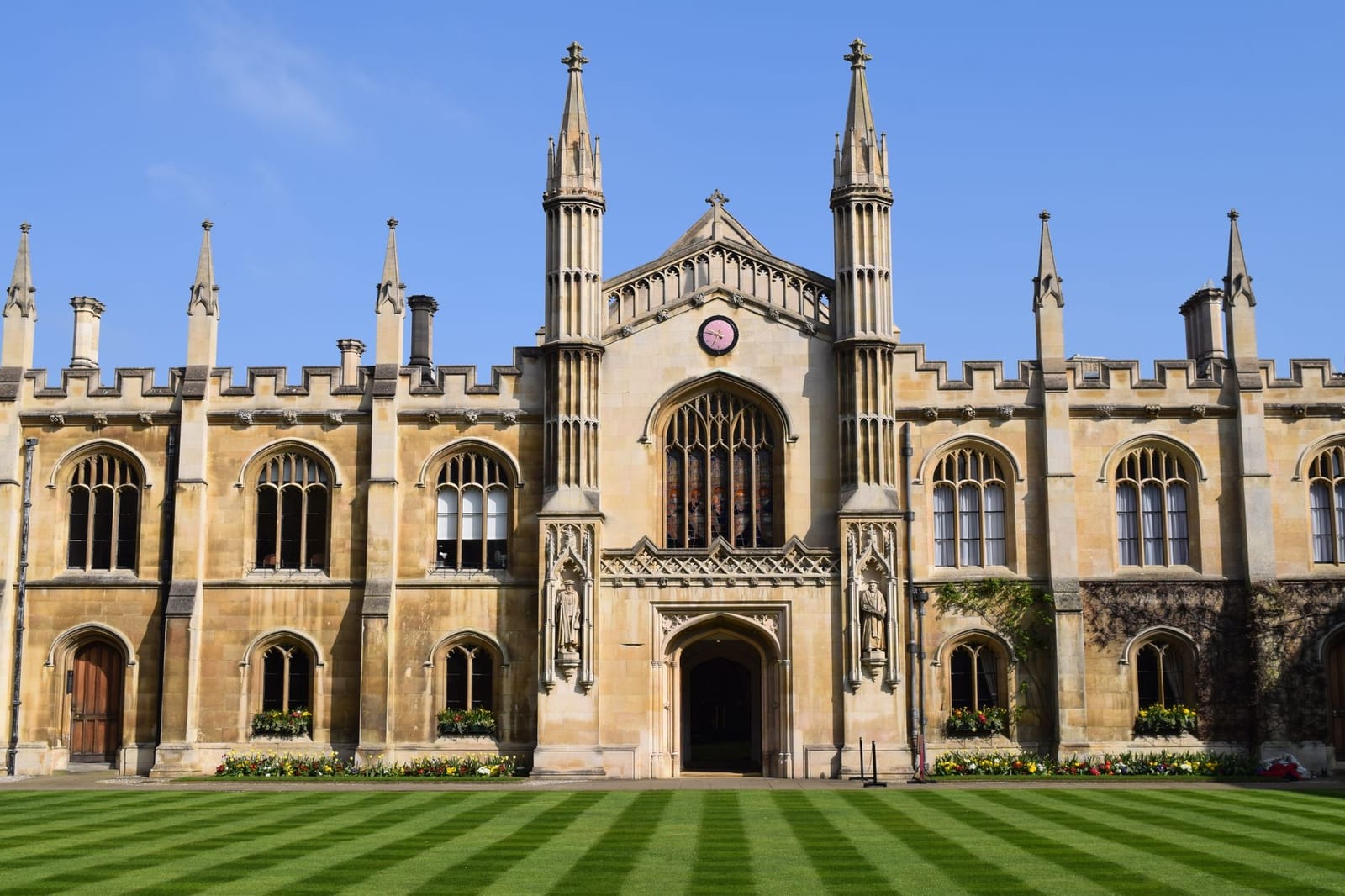
Independent (Private) Schools
Typically 100–500 kW; boarding keeps load up all year.
118 kW on a trust secondary school, modelled
Not a real school: a modelled secondary with a 950 sqm flat membrane roof and a busy daytime load, valued at the DESNZ average non-domestic price of 24.14p/kWh for the 70% used on site and an assumed 5p/kWh for the export, and costed at £1,000–£1,260 per kW.
What to check before a contractor is on your site
Governors and trust boards worry, rightly, about who is on site with their pupils, and the responsibility is the school’s. Under Keeping Children Safe in Education (2026 edition), contractors in regulated activity need an enhanced DBS check including the children’s barred list, and a contractor on whom no checks have been obtained should never work unsupervised or engage in regulated activity.
So ask the installer, in writing, which checks each operative holds, how they will be supervised, and how they will follow your sign-in and escorting procedures. Schedule the disruptive phases — scaffold, roof access, panel transport — for school holidays, and keep the May–June exam window clear for GCSE and A-level secondaries.
- Enhanced DBS with barred list for anyone in regulated activity
- No unchecked contractor working unsupervised (KCSIE 2026)
- Major works in the holidays; exam season kept clear
- Ask who backs the workmanship warranty, and for how long
What a school-experienced installer should offer
| School-experienced installer What to ask for | General solar contractor Commercial / domestic installer | In-house / DIY Self-managed by the school | |
|---|---|---|---|
| Enhanced DBS + barred-list checks, KCSIE induction | Sometimes | ||
| Sized from half-hourly data incl. a holiday period | |||
| Savings case for governors or the trust board | |||
| Holiday-window scheduling, exam season kept clear | Sometimes | ||
| Live-generation display + KS2/KS3 curriculum pack | |||
| Structural + asbestos (ACM) survey on pre-2000 roofs | Sometimes | ||
| 10-year insurance-backed workmanship warranty | Sometimes |
Government-funded solar on schools, 2025 to 2026
Most coverage of solar panels for schools since 2025 has been about one programme, and its numbers have moved fast. These are the published figures, by date, from GOV.UK announcements:
- 21 March 2025 — Great British Energy announces a total £200 million for solar on schools and hospitals, including around £80 million for some 200 schools in England, chosen by government and clustered in areas of deprivation.
- 3 June 2025 — the first 11 schools have panels installed.
- 1 October 2025 — the scheme is expanded to be worth up to £255 million across schools, NHS sites and military sites.
- 5 March 2026 — 100 schools have government-funded panels.
- 16 July 2026 — 245 schools and colleges have government-funded solar; 100 more join the Great British Energy Solar Partnership, backed by up to £40 million; and 150 schools and colleges in Yorkshire and the Humber, the East Midlands and the South East pilot installs at no upfront cost.
- 15 July 2026 — any power purchase agreement on the school estate must now use the DfE’s PPA and land-lease templates; new approvals are paused until they are published.
England had 24,499 schools at the January 2026 census, state-funded and independent, so for almost all of them the question is not whether they will be selected but how they fund panels themselves. Our Great British Energy guide covers selection, and solar panels for schools grants covers every other route.
Planning permission and the grid connection, in brief
Planning. In England, most rooftop solar on a school is permitted development under Class J of Part 14 of the General Permitted Development Order — the non-domestic class; Class A covers houses. Panels must not protrude more than 0.2 m from a pitched roof or sit more than 1 m above a flat one, and must stay 1 m back from the roof edge. Listed buildings and scheduled monuments are excluded, and an array over 50 kW needs a prior-approval application on design and glare. The 1 MW cap was removed in December 2023. Scotland and Wales have their own rules — see planning permission for school solar panels.
The grid. G98 covers up to 16 A per phase — 3.68 kW per phase. Almost every school array is larger and needs a G99 application to the distribution network operator, which is usually the longest single item in the programme, so it should go in straight after the structural survey.
Where to start with solar panels for your school
If solar has just landed on your desk as a business manager, bursar or governor, start with three things before you talk to anyone selling panels: twelve months of half-hourly meter data including a holiday period, the condition survey for every roof you might use, and the asbestos register for pre-2000 buildings. Then check whether your school is eligible for a Condition Improvement Fund bid, and whether a PPA would need trust or local authority consent. Our first-month checklist for school solar walks through it step by step, and the school solar cost guide shows how to sense-check a quote.
School solar, wherever your school is
Click any area for local school cost data, council net-zero targets, DNO grid timescales and funding routes.
London
Greater London. Greater London Authority 2030 net zero.
Birmingham
West Midlands. Birmingham City Council 2030 net zero.
Leeds
West Yorkshire. Leeds City Council 2030 net zero.
Sheffield
South Yorkshire. Sheffield City Council 2030 net zero.
Manchester
Greater Manchester. Manchester City Council 2038 net zero.
Bradford
West Yorkshire. City of Bradford Metropolitan District Council 2038 net zero.
The questions headteachers and SBMs ask us
Straight answers on funding, safeguarding, holidays and the curriculum.
How much do solar panels for a school cost in the UK?
There is no official price list for school-sized arrays. The DESNZ cost statistics for 2025/26 put the median installed cost of a 10–50 kW system at £1,262 per kW, including VAT where applicable, and DESNZ publishes no band above 50 kW. Using a planning range of £1,000–£1,260 per kW, a 50 kW primary array comes to roughly £50,000–£63,000 and a 100 kW secondary array roughly £100,000–£126,000 — often less once real quotes arrive. See the school solar cost guide for worked examples.
Can we get free solar panels for our school?
Only if your school is selected. By July 2026, 245 schools and colleges had government-funded solar, and 150 more in Yorkshire and the Humber, the East Midlands and the South East are piloting installs at no upfront cost. Government chooses those schools; there is no application. Otherwise the no-capital route is a power purchase agreement, where you pay for the electricity rather than the panels. There is no Salix loan for English schools, and PSDS closed to new applications in November 2024.
What is Salix Finance, and does it lend to schools?
Salix administers public-sector decarbonisation funding on behalf of government. In England its current schemes are grants — PSDS projects still being delivered, and housing schemes — and it runs no loan scheme for schools. In Scotland it runs zero-interest public-sector loans, including the Scotland Recycling Fund, which lists schools among eligible applicants through their local authority or governing body. In Wales it runs the Wales Funding Programme, which lends to public bodies at a fixed rate. See Salix funding for schools.
How long does a school solar installation take?
Most installs are scheduled for school holidays. The physical install typically takes 2–6 weeks for a primary (30–80 kW) and 4–10 weeks for a secondary (100–300 kW). The G99 grid application is usually the longest item, so it should start straight after the structural survey; from first enquiry to commissioning commonly takes six to nine months.
What safeguarding checks should solar installers have?
Safeguarding comes first on any school site. Under Keeping Children Safe in Education the school must satisfy itself that contractor staff have had the appropriate checks, so ask the installer to confirm in writing that every operative will hold an enhanced DBS check (with a children’s barred list check where they will be in regulated activity), how they will be supervised, and how they will follow your sign-in and escorting procedures. KCSIE 2026 is explicit that a contractor on whom no checks have been obtained should never work unsupervised or engage in regulated activity.
Can solar panels be used as a teaching resource?
Yes. Many school installs include a live-generation display for the lobby or main hall, and monitoring data can feed KS2 and KS3 Geography, Science and Design & Technology — real-time generation, lifetime kWh and CO2 saved. Ask for it in the specification: it is cheap to include at install and awkward to add later.
Further reading: Church schools sit alongside parishes, mosques and other places of worship, all of which can access solar for faith and community buildings through the same heritage-aware approach.
Further reading: Schools weighing a canopy over the staff car park alongside rooftop panels will find kWp-per-bay sizing and canopy funding options in this specialist resource.
School solar check
Instant desk estimate, no obligation
- 1. Tell us your type of school and postcode — and, if you know it, your yearly electricity use.
- 2. See your estimate straight away — modelled system size, yearly generation, value and payback for your area, plus the funding routes that apply to your type of school and nation, all from published sources.
- 3. We reply by email — no installer, site visit or reply time is promised.
Check any installer on these registers before you sign:
- MCS Certified
- NICEIC
- RECC
- TrustMark